
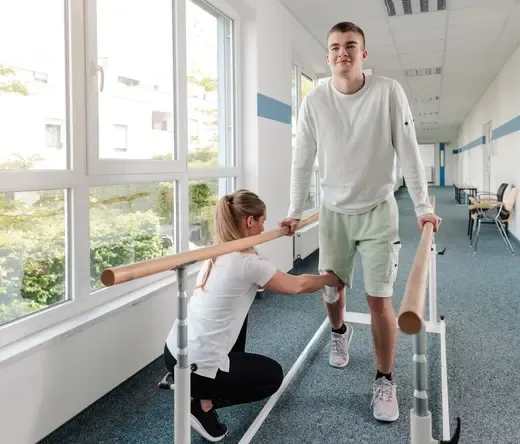
Sports and physical activities are excellent ways to stay active, build strength, and improve overall fitness. However, repeated movement, sudden changes in direction, poor technique, or accidental falls can sometimes lead to injuries. A sports injury may affect a person’s ability to exercise, work, or carry out normal daily activities.
Understanding common injuries and knowing when to seek professional care can make the recovery process more manageable. A Sports Injury Clinic Mission can provide assessment, rehabilitation, and guidance designed around an individual’s injury and activity goals.
What Are Sports Injuries?
Sports injuries can occur during organized sports, exercise sessions, recreational activities, or even routine physical training. Some develop suddenly, while others appear gradually because of repeated stress.
Common factors associated with sports injuries include:
- Sudden twisting or awkward movements
- Overuse and repetitive activity
- Inadequate warm-up
- Muscle weakness
- Limited flexibility
- Poor movement mechanics
- Incorrect exercise technique
- Returning to activity too quickly
The type and severity of an injury can vary, so proper assessment is important before deciding on treatment.
Common Sports Injuries
1. Sprains
A sprain involves an injury to a ligament, which connects bones around a joint. Ankles, knees, and wrists are common areas where sprains may occur.
Possible symptoms include:
- Swelling
- Tenderness
- Pain with movement
- Reduced joint function
- Difficulty putting weight on the affected area
The treatment approach depends on the extent of the injury.
2. Muscle Strains
A strain affects a muscle or tendon and can happen when tissue is stretched beyond its comfortable range or placed under excessive force.
Strains may cause:
- Localized pain
- Muscle tightness
- Weakness
- Swelling or tenderness
- Discomfort during movement
Gradual rehabilitation can help restore movement and strength.
3. Knee Injuries
The knee handles significant loads during activities such as running, jumping, squatting, and changing direction. Athletes may experience problems involving muscles, tendons, ligaments, or other structures around the joint.
Treatment may involve:
- Activity modification
- Strengthening exercises
- Mobility work
- Balance training
- Gradual return-to-sport exercises
4. Shoulder Injuries
Throwing, lifting, swimming, and contact sports can place repeated demands on the shoulder. Irritation or injury may result in pain, weakness, or restricted movement.
A rehabilitation program may focus on:
- Restoring shoulder mobility
- Improving surrounding muscle strength
- Developing better movement control
- Gradually rebuilding activity tolerance
5. Tendon Problems
Repeated loading can sometimes irritate a tendon, particularly when training volume increases quickly. These problems may develop gradually rather than from one specific incident.
Management can include controlled strengthening, load adjustment, and gradual progression back to normal activity.
How Are Sports Injuries Treated?
Treatment depends on the injury, symptoms, physical findings, and the person’s activity goals. A physiotherapist may first assess movement and function before recommending a rehabilitation plan.
Depending on the situation, treatment can include:
- Therapeutic exercises
- Strength training
- Flexibility and mobility work
- Balance exercises
- Manual therapy
- Movement retraining
- Education about activity levels
- Sport-specific rehabilitation
The emphasis is often on restoring useful movement and gradually rebuilding the physical capacity needed for everyday activities or sport.
Why Rehabilitation Matters
Stopping activity completely for too long is not always the best long-term strategy. Once appropriate, controlled movement may become an important part of rebuilding strength and confidence.
A structured rehabilitation program can help with:
- Regaining muscle strength
- Improving joint movement
- Developing balance and coordination
- Restoring movement confidence
- Preparing the body for sport-specific demands
- Reducing the chance of returning before adequate recovery
Progress should be gradual and based on how the individual responds.
Returning to Sports After an Injury
Going back to a sport immediately after pain decreases may not always mean the body is ready for full activity. A person may need to rebuild strength, coordination, endurance, and movement control first.
Before returning to demanding activity, rehabilitation may include:
- Sport-specific movements
- Progressive resistance exercises
- Agility drills
- Balance activities
- Controlled jumping or landing exercises
- Gradual increases in training intensity
The return-to-activity process should be appropriate for the injury and the person’s current abilities.
How Can Sports Injuries Be Prevented?
Not every injury can be avoided, but certain habits may help reduce unnecessary strain.
Consider:
- Warming up before intense activity
- Increasing training volume gradually
- Using proper exercise technique
- Allowing adequate recovery between demanding sessions
- Maintaining strength and flexibility
- Wearing suitable equipment when required
- Paying attention to persistent pain or unusual symptoms
Regular conditioning can also help prepare the body for the demands of a particular sport.
When Should You Seek Professional Help?
Professional evaluation may be useful when an injury is affecting normal movement or does not improve as expected.
Consider seeking assessment when you experience:
- Persistent or increasing pain
- Significant swelling
- Difficulty walking or using a joint
- Repeated problems in the same area
- Noticeable weakness
- Reduced range of motion
- Difficulty returning to normal activity
A qualified professional can assess the problem and determine whether physiotherapy or another form of care is appropriate.
Frequently Asked Questions
What is the purpose of a sports injury clinic?
A sports injury clinic can assess physical problems related to exercise or sport and provide rehabilitation and recovery guidance based on the individual’s condition and goals.
Can physiotherapy help with old sports injuries?
Physiotherapy may be useful for ongoing movement limitations, weakness, stiffness, or recurring symptoms related to a previous injury. An assessment can help determine the appropriate approach.
How long does sports injury recovery take?
Recovery time differs according to the type and severity of the injury, treatment plan, activity demands, and individual progress.
Can I exercise while recovering from an injury?
This depends on the injury and the stage of recovery. A physiotherapist can suggest suitable activities and modifications while the body rebuilds capacity.
Conclusion
Sports injuries can interrupt training, competition, and everyday life, but a structured rehabilitation approach can support a gradual return to movement and activity. Whether the issue involves a sprain, strain, knee problem, shoulder concern, or tendon irritation, the right treatment depends on an individual assessment.
For people searching for a Sports Injury Clinic Mission, professional physiotherapy can provide guidance on recovery, strengthening, movement quality, and returning to physical activity safely and progressively.
Get Support From Legend Physiotherapy Mission
At Legend Physiotherapy Mission, personalized physiotherapy care is available for people dealing with sports injuries, movement limitations, and rehabilitation needs. The treatment approach can be tailored to your condition, activity level, and recovery goals.
Contact Legend Physiotherapy Mission to discuss your injury and explore appropriate rehabilitation options.
